
Rules and ethics
Before you publish images, know the UK rules that apply to product photography
Product photography rules and ethics for UK retailers: consumer law, data protection, the CAP Code, model releases and studio safety plus a worked example.
What to take away
- Decide whether each image can be defended as accurate, because both consumer law and the CAP Code punish images that mislead shoppers.
- Identify a lawful basis for any identifiable person in a shot, usually a signed model release, before the camera comes out.
- Check rules of origin and customs paperwork if you sell into the EU, and make delivery, returns and cancellation terms clear in the listing text.
- Put a written contract, a recorded risk assessment and public liability cover in place, because copyright, safety duties and insurance all bite in a working studio.
Consumer protection and advertising standards
Your core legal duty when you photograph a product for sale is not to mislead the average consumer. The Consumer Protection from Unfair Trading Regulations 2008 ban commercial practices that deceive shoppers about goods' nature, characteristics or price.
Image vs listing claims
Image shows
- Material
- Leather look
- Quantity
- One candle
- Props
- Rug and lamp
- Scale
- Styled room
Listing must state
- Material
- Plastic
- Quantity
- Set of three
- Props
- Sofa only
- Scale
- Actual dimensions
A photo that makes a plastic handbag look like leather can breach those rules even when the written description is accurate.
Because the shopper cannot pick the item up, the image carries more weight than it would on a shop floor. Colour, scale, quantity and props all carry meaning. If a listing sells three candles and the photograph shows one, the text has to say so plainly.
The Advertising Standards Authority applies similar principles through the CAP Code. It can refer repeat offenders to Trading Standards, as the Trading Standards referrals guidance explains, which matters if you run paid social campaigns. For a plain summary of which regulator covers which claim, see our guide to product photography regulations in the UK.
Influencer posts and paid partnerships sit inside the same rules. If a creator is paid to show your product, the post needs a clear ad label, and the product must perform as the image and caption suggest.
Accuracy, colour and scale
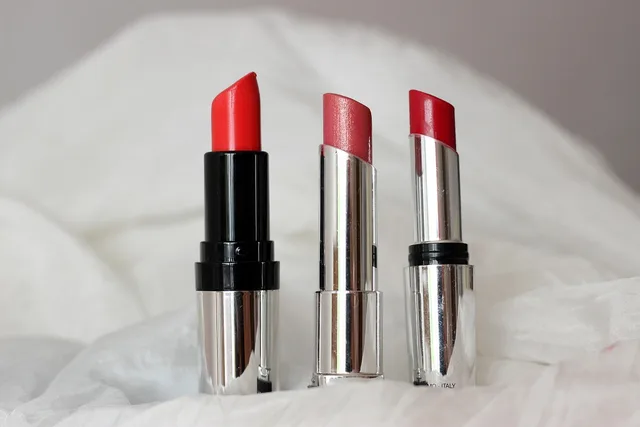
Colour is the hardest thing to get right and the easiest thing to get wrong. Screens vary, and a shot taken under warm studio light can look very different under a shopper's kitchen bulb. You do not have to match a physical sample exactly, but editing that shifts a colour in a misleading direction is a risk.
A paint swatch that reads bright yellow online and arrives mustard is the classic complaint. Two habits prevent most of them: put a neutral grey card in the frame, and state in the listing that screen colours may vary.
Scale causes just as much trouble. A small ornament photographed on a large table looks bigger than it is. Add a familiar object for scale or a dimension line. The CAP Code treats a misleading omission as seriously as a misleading statement, so put the measurements in the text when size is not obvious from the image.
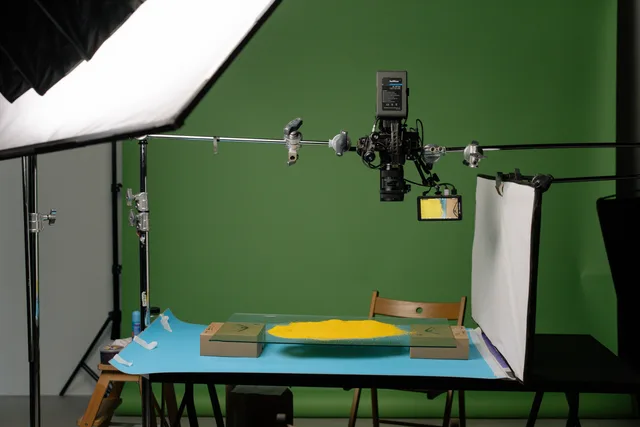
Lighting decides how much retouching an image needs. Soft, even light on a neutral background gives the clearest record of a product, and a consistent set-up helps shoppers compare items in a range.
Words baked into an image work like any other claim. A badge reading waterproof, or an icon that suggests certification, must be supported in the same way as those words in body copy.
Pricing and promotional claims
A price tag, sale sticker or struck-through price inside a photograph is a claim, and it must be truthful. A 50% off flash on a product that never sold at the higher price can breach consumer law and the CAP Code. The same applies to was/now pricing.
Shoppers must see the total price, including delivery, before they order, so a headline price in a hero image can mislead on its own. Where delivery is charged, make that clear in the copy rather than leaving it to the checkout.
Keep a record of the previous price and the dates it applied, because you may need that evidence if a shopper complains. When you reuse campaign images, add a review step so expired offers are pulled before they run again. Our guide to a product photography disclosure policy in England covers how to record image approvals and edits.
Data protection and image rights
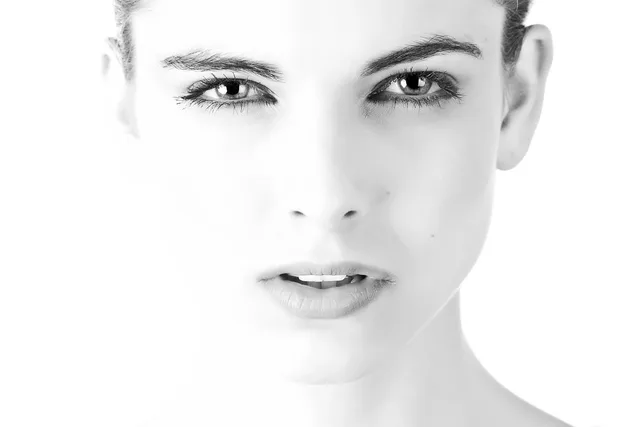
An identifiable person in a photograph is personal data. That brings the UK GDPR and the Data Protection Act 2018 into a studio shoot.
Model release essentials
- Name the mediadigital, print, social
- State the territory of use
- Set the period of use
- Get a release from employees too
- Store releases with shoot files
- Diarise the expiry date
Information Commissioner's Office publishes official guidance on data protection compliance for businesses, covering lawful bases, consent and retention.
For commercial work, consent is usually the practical route: a signed model release naming the uses, territory and duration.
Customer photographs need the same care. Someone who appears in a lifestyle post has not agreed to marketing use simply by standing in your shop. Ask before you publish, and remove an image on request.
Consent is not permanent. Record what each person agreed to and when it expires, and be ready to find and remove an image if someone withdraws. Data protection law sets a short deadline for answering those requests.
Model releases and consent
A model release is not a catch-all form. It should name the media you will use, such as digital ads, print and social, plus the territory and period of use.
If you later want a use the release does not cover, go back and ask. Employees need a release too, because being on the payroll does not hand you their image for marketing.
Keep releases with the shoot files and diarise the expiry date. When a release lapses, either renew it or stop using the images. For a step-by-step route through consent, retention and withdrawal, read our guide to product photography data protection in England.
Images of children need particular care. Ask a parent or guardian for consent, keep the picture to the uses you described, and avoid details that identify a school or a daily routine.
Property, artwork and trademarks
Buildings, artwork and branded goods in the frame can each create a rights problem. The UK has no general commercial exception for photographing buildings, so a distinctive facade used to sell a product can infringe copyright. Background artwork is protected in the same way.
Trademarks raise a different question. A rival's logo in your frame can suggest an association that does not exist. Keep backgrounds clean, or use props you are licensed to show.
Shoots at a customer's home or a client's premises bring their own consent question. Get written permission from whoever occupies the space, and agree what will appear in the background before the day.
Cross-border sales and studio operations
Sell into the EU and your images sit inside a cross-border transaction. Goods must meet rules of origin before any preferential tariff applies, and your marketing must not imply an origin or quality claim you cannot support.
The government's rules of origin for goods moving between the UK and EU explain how origin is determined. A Made in Britain badge in a photo must be true for every item shown.
Distance selling rules apply too. EU shoppers have statutory cancellation rights, and the distance selling and cancellation rules shape what a listing must tell them before they buy. Where goods ship from outside the UK, state the customs and delivery position in the copy.
Keep the paperwork that supports an origin claim, such as supplier declarations and bills of materials. Images are marketing, but the claim behind them may be checked by a customs officer as well as a shopper.
Returns handling belongs in the same conversation. If a shopper in the EU sends goods back, the listing should say who pays the return postage and how long a refund takes.
If the same images go into an EU marketplace listing, check that platform's own image and claims policies as well as UK rules, because platforms can pull listings that breach their terms.
Health and safety in the studio
A photography studio is a workplace, so health and safety law applies. The Health and Safety Executive's basic health and safety guidance for businesses covers risk assessments, first aid and accident reporting. The main studio risks are electrical equipment, trailing cables, heavy lighting stands and manual handling of props.
Record your assessment if you employ five or more people, and carry public liability cover in case a client or model is injured on set. Cleaning chemicals and specialist processes bring COSHH into play. Most product studios face low risks, but a written assessment shows you took reasonable steps.
Lone working brings its own risks. If someone shoots alone in a studio out of hours, agree a check-in routine and keep a first aid kit and phone within reach.
Contracts and supplier management
Commission photography without paperwork and copyright stays with the photographer, which limits how you reuse the images. A written agreement should settle ownership, licence scope, territory, duration and what happens on cancellation. Our guide to product photography commercial contracts works through the clauses that matter, from usage rights to payment terms.
Stock images need the same scrutiny. Read the licence before you download, because some bar commercial use, require attribution or restrict resale of the image itself.
Freelancers on set should carry their own insurance, and the contract should say who is responsible for equipment and injuries at the venue. Settle that before the shoot day, not after.
Usage windows matter as much as the fee. A licence that runs for 12 months will need renewing if the images stay on the site, so note the end date where you store the files.
Worked example: a small furniture retailer
A small Leeds furniture retailer plans a new website for 2027 with an £8,000 photography budget. The owner pays £3,200 for a two-day shoot producing 40 edited images.
Photography budget breakdown
- 3200Two-day shoot, 40 edited images
- 600Local actor model release
- 1600Props
- 900Studio hire
A local actor's model release costs £600, props £1,600 and studio hire £900. The developer who places the images on the site charges £1,300, and a legal review of the photography contract and data protection policy costs £400. The total is £8,000.
Before the shoot, the retailer tests the images against the misleadingness rules. The sofa is photographed with a rug and a lamp, but the listing states only the sofa is included.
A colour swatch sits in the frame alongside a note that screen colours may vary. The model release covers digital ads, social media and print for two years across the UK and EU.
Some wooden frame components are imported, so the retailer checks the origin position before using a Made in Britain claim. Retailers planning a similar project can compare quotes, kit and studio options in our product photography tools and supplier guide for 2027.
These figures are illustrative. Your costs and legal position depend on your circumstances, so take advice from a qualified adviser on contracts, data protection and tax.
Common questions
Do I need a model release for every person in a product photo?
Yes, if the person is identifiable and the image will be used commercially. The release should cover the specific uses you intend, and you should keep it on file. If you cannot obtain one, crop the person out or blur the face, then check the image still works.
Can I photograph a product I bought from another brand?
You can photograph a product you own. You must not imply that you are an authorised dealer or that the brand endorses you, and showing the logo may need permission. Treat resale rights as a question for a legal adviser.
What are the rules for before-and-after images?
Before-and-after images must not mislead, so keep the lighting, angle and editing consistent. If you use them in ads, the CAP Code requires a fair and verifiable comparison. Keep the original files in case the claim is challenged.
Do I need to label AI-generated or edited images?
There is no blanket labelling rule in the CAP Code, but the misleadingness provisions still apply. An image of a real product must represent that product accurately. If a shot is purely illustrative, say so.
In this guide
- Product photography in England: UKCA and CE rules for the shoot briefBuild a product photography brief for England with UKCA and CE marking checks, manufacturer responsibilities and Declaration of Conformity questions.
- Product photography advertising rules in England: banned claims, sale images, cookies and green wordingA checklist for England ecommerce teams on product image claims: banned sale and badge practices, a sale price example, cookie consent and green wording.
- Product photography data protection in England: identifiable images, lawful basis, consent and retentionHow UK GDPR applies to product photography in England: when an image is personal data, which lawful basis to pick, valid consent for models and retention.
- Check these product photography commercial contracts before you signA practical checklist of product photography commercial contracts for UK ecommerce teams, covering copyright, transfers and cross-border supply.
- What a product photography disclosure policy means for England sellersA product photography disclosure policy sets out when a paid or altered image needs a label, covering the CAP Code, PECR consent and the Equality Act 2010.