Tools and providers
Part of Product photography lighting setup UK: a beginner's walkthrough
Product photography lighting setup UK: a beginner's walkthrough
A beginner's guide to product photography lighting setup in the UK, covering studio lighting for products, softboxes and kits for small home studios.
What to take away
- One light and a diffuser will beat a three-head kit you cannot position in a small room.
- A 60cm softbox suits most home studios; larger modifiers need ceiling height and floor space.
- UK mains is 230V at 50Hz, so buy UK or EU-spec heads and skip US 110V imports.
- Illustrative beginner budgets run from about £150 for LED panels to £900 for a two-head flash kit.
- Add a second light only when you can name the problem it solves.
Start with the room, not the kit
Most beginners shoot in a spare bedroom, a garage or a kitchen. Those rooms share three limits: a ceiling near 2.4 metres, one window and few spare sockets.
Low ceilings cap your stands. A softbox on a two metre stand sits close to the product, which softens shadows but leaves little room to work.
The UK supply is 230V at 50Hz. US 110V heads need a step-up transformer, which adds cost and another cable on the floor.
Shoot after dark with the curtains closed. Mixed daylight and flash causes colour shifts that are hard to correct later.
Light itself is predictable. A large source placed close to the product gives soft shadows; a small source at distance gives hard edges. That principle, explained in any introduction to photographic lighting, matters more than brand names.
Set the lights in this order
Change one variable at a time and reshoot after each move. Write down the settings that worked.
- Close the curtains and switch off the ceiling light, so daylight stops competing with your heads.
- Put the key light at about 45 degrees to the product and slightly above it.
- Fit your largest softbox to the key and bring it in to roughly 60cm from the product.
- Stand a white foam board on the far side to bounce light into the shadow.
- Add a small head behind the product for a rim or background highlight.
- Meter once, then keep the settings fixed for every item in the range.
Which modifier suits which product
Modifier choice follows product size and surface. Shiny items need more diffusion; matte textiles cope with a bare reflector. Distance matters more than power: closer means softer.
| Product | Modifier | Distance | Note |
|---|---|---|---|
| Reflective metal or glass | Large softbox plus a diffusion panel | 50 to 70cm | Check the softbox is not mirrored in the item |
| Matte textiles | Medium softbox | 80 to 100cm | Add a foam board to reveal weave |
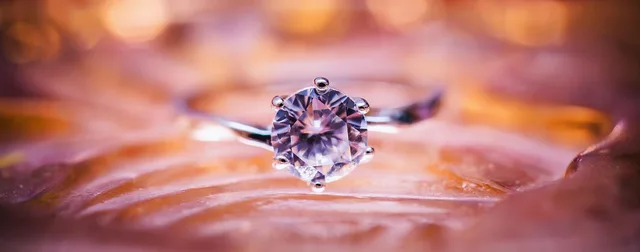
| Small jewellery | Light tent or scrim | 30 to 40cm | Keep the camera square to the piece |
| Apparel on a form | Key plus fill | 100 to 150cm | Watch for hotspots on hangers |
Small reflective pieces are the hardest test of any setup, and our jewellery product photography tips cover tents, scrims and prop choices in more detail.
What beginner kits cost in the UK
These illustrative UK retail bands are a starting point, not a quote.
LED two-light kits with stands and diffusers run from about £150 to £400. A two-head mains flash kit with softboxes sits between £400 and £900.
Add roughly £30 for foam boards, clamps and a backdrop cloth. Buy from UK suppliers so returns and warranty claims stay domestic.
Second-hand heads from UK dealers are a reasonable route if you check the tube and the mains lead before paying.
If the spend matters to your cash flow, finance and support for your business lists government-backed schemes and local growth funding.
Safe shoots in small rooms
In a home studio the hazards are mundane. A stand topples onto a product, or a cable crosses a walkway.
HSE's health and safety basics for your business sets out the risk assessment a sole trader should keep.
Sandbag the stands and tape cables down. Never run two 500W heads from one extension lead.
Marketplaces add their own presentation rules on top of your lighting choices. Our guide to Amazon product photography requirements covers background and framing standards.
Common questions
Do I need three lights to start?
No. One light and a white board to bounce light back will cover most small products, and a second head only helps once you see a specific problem.
Are softboxes better than umbrellas?
Softboxes control spill and give a soft, even light across a box-shaped product. Umbrellas are cheaper and fold flat, which suits a small flat, but they throw light around the room.
What power do I need for small items?
LED panels of about 60W to 100W are ample at 60cm. Mains flash with a guide number near 60 will handle larger products and freeze motion.
Can I shoot with window light only?
Yes, if the light stays constant. Cloud cover changes by the minute, so shoot a grey card each session and keep the camera on a fixed white balance.